All Categories
Featured


Finding Cheap Individual Health Coverage
Table of Contents
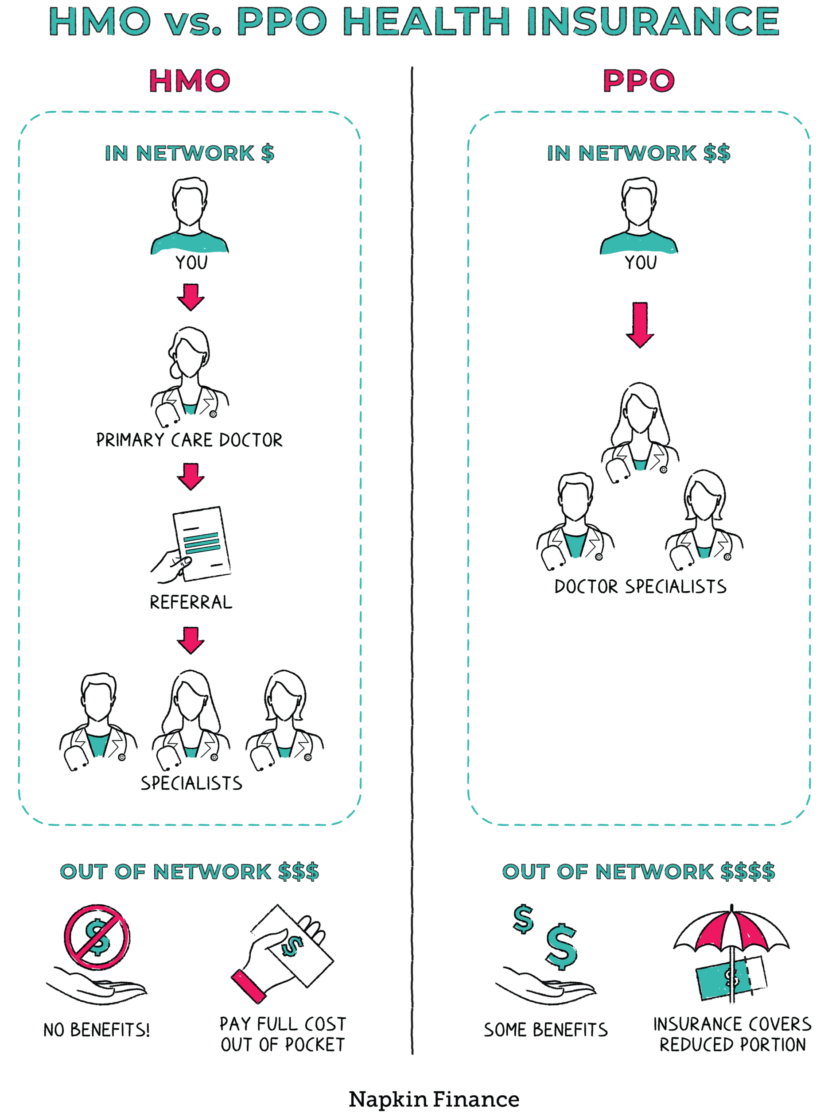
An HMO Medicare Benefit strategy offers a network (described as an "HMO network") of health care providers and medical facilities to its clients. It's required for a client to choose a main care physician to handle their healthcare and offer recommendations to any suppliers that are not in the plan's network, except in the event of an emergency situation.
The ease of having a primary care medical professional to coordinate and manage the care offered. A client can just see companies within the strategy's network unless they have a recommendation for an outdoors professional, or it's an emergency situation.
However, unlike an HMO strategy, a PPO Medicare Advantage plan permits more flexibility when seeing out-of-network suppliers. It's not needed to have a referral to see an out-of-network expert although it may be more costly and take additional time to get insurance protection given that a client need to file a claim for protection each time they see an out-of-network supplier.
The client has more flexibility with which service providers they pick to see, whether they're within the strategy's network or out-of-network. Many times, there is no requirement for a recommendation if a client cares to see an out-of-network expert. Higher regular monthly premium. More than likely, higher regular monthly premiums. The patient is accountable for handling their health care rather of a primary care supplier.
An EPO insurance coverage plan, or an 'Unique Provider Company' insurance strategy, is frequently called a strategy that is "situated in between an HMO and PPO." This is because, like a PPO strategy, an EPO does not need a patient to stay in-network for care significance, no recommendations or emergency situations are needed for seeing an out-of-network supplier.
Insurance in Compton CALow-Cost Health Insurance for US Veterans
This strategy is less extensively understood, it often supplies a much bigger network than an HMO.A POS insurance coverage strategy, or a 'Point of Service' insurance coverage plan, is also known to "blend components of HMO and PPO plans." This is because, like an HMO plan, a POS insurance strategy needs a client to have a main care medical professional that manages their health care and offers them referrals to out-of-network specialists or service providers.
The Medicaid program offers Americans with low to no cost health care to individuals/households that have actually restricted income or specials needs. Alongside Medicaid is a program called CHIP or 'Children's Medical insurance Program,' which is a state funded program where patients pay low to no cost healthcare for children and pregnant ladies who have restricted income.
According to the internal revenue service, the deductible is at least $1,400 for an individual and $2,800 for a household. In order to fight the high deductible expense, it is recommended that a patient contributes to an HSA/HRA or a 'Health Cost Savings Account'/'Health Reimbursement Arrangement,' which employers often contribute to yearly.
Another element to keep in mind about this strategy is that it secures the client from "disastrous out-of-pocket costs for covered services." What this implies is that, once a patient's "annual out-of-pocket expenditures for covered services from in-network companies, consisting of deductibles, copayments, and coinsurance, reaches the fixed catastrophic limit," the insurance provider will cover all costs.
HMO and PPO plans share specific features. Both offer a broad network of companies to select from, both deal emergency care protection throughout the United States, and both usually consist of coverage for prescription drugs. There are some primary differences in between HMO and PPO strategies. HMO plans require members to select an in-network PCP to help handle their care and supply recommendations.
Finding Affordable Medicare Coverage
HMOs will not cover care from an out-of-network service provider. HMOs generally have lower premiums and out-of-pocket costs.
Insurance in Compton CAWhen it comes to health insurance, you have your option of numerous strategy types. Differences between HMO (Health Upkeep Organization) and PPO (Preferred Supplier Company) plans consist of network size, capability to see experts, expenses, and out-of-network protection.
An HMO provides you access to certain doctors and health centers within its network. A network is comprised of service providers that have agreed to reduce their rates for plan members and also fulfill quality standards. However unlike PPO plans, care under an HMO strategy is covered only if you see a service provider within that HMO's network.

Latest Posts
Understanding HMO Versus PPO Networks
Choosing 2026 Medicare Coverage

Financial Stability Strategies Through Whole Life Insurance